

Early Signs of Slab Foundation Failure
Early Signs of Slab Foundation Failure
Your home’s foundation plays a critical role in maintaining structural stability. When a slab foundation begins to fail, the warning signs often start small, but can quickly escalate into serious (and expensive) problems if ignored. Recognizing these early indicators can help you take action before major damage occurs.
What Is a Slab Foundation?
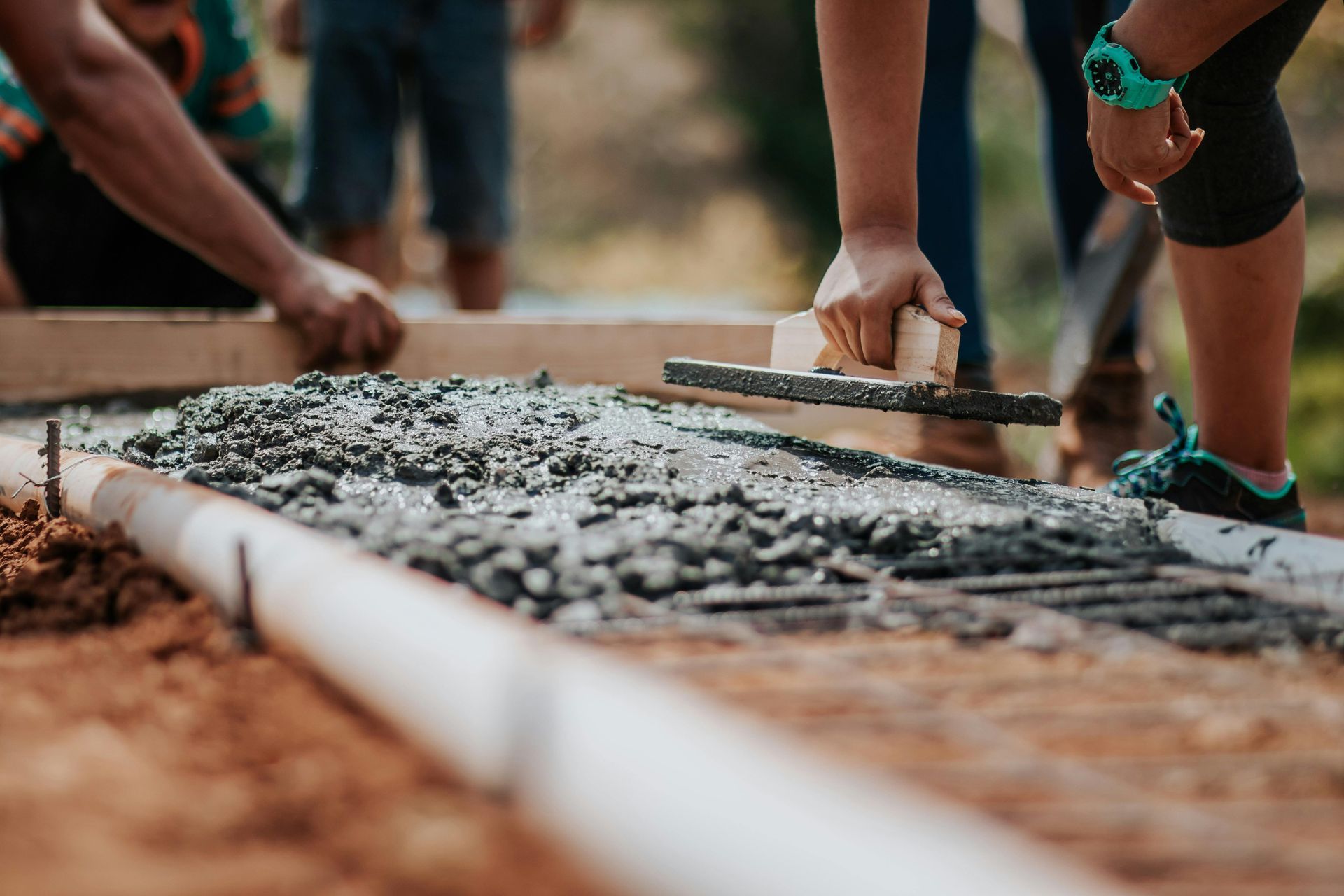
A slab foundation is a single layer of concrete poured directly on the ground, serving as the base of a home. While durable and cost-effective, it is highly dependent on the soil beneath it. Changes in moisture, soil movement, or poor drainage can cause the slab to shift, crack, or settle over time.
Why Early Detection Matters
Catching foundation issues early can:
- Prevent structural damage to your home
- Reduce repair costs
- Avoid secondary issues like mold or water damage
- Maintain property value and safety
Even things like small cracks or sticking doors can point to deeper structural concerns.
Cracks in Floors, Walls, or the Foundation
Cracks are one of the most noticeable warning signs. While small hairline cracks may be normal, larger or widening cracks can indicate movement beneath the slab. Look for:
- Vertical or diagonal cracks in drywall
- Cracks wider than 1/4 inch
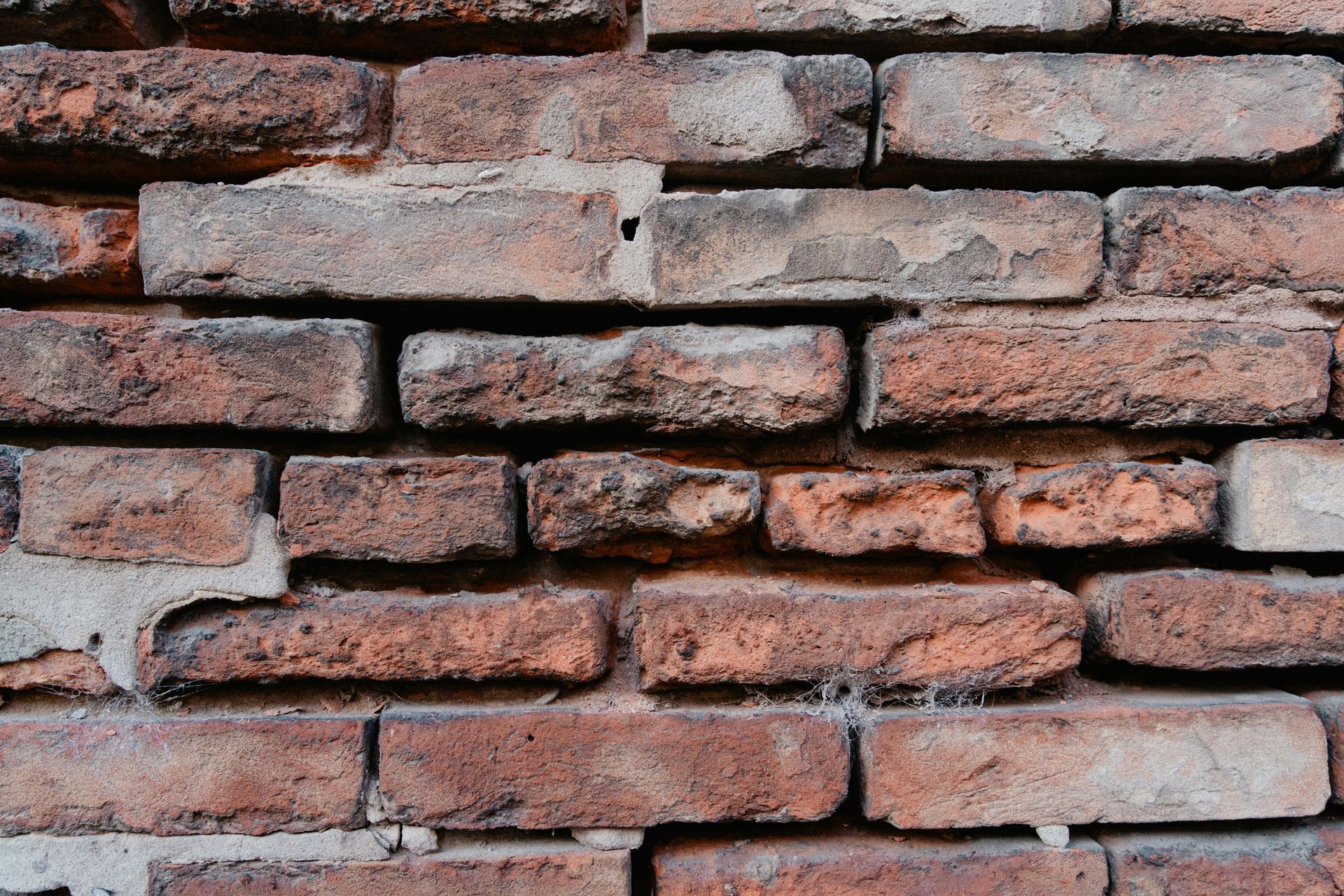
- Stair-step cracks in exterior brick
- Floor cracks that continue to grow
These often result from soil shifting, settling, or pressure beneath the slab.
Uneven or Sloping Floors
If your floors no longer feel level, your foundation may be shifting. Some signs include:
- Sloping or sagging areas
- Furniture that wobbles
- Noticeable dips or raised sections
Uneven floors typically indicate that parts of the slab are settling or lifting unevenly.
Doors and Windows That Stick
When a foundation moves, it can throw off the alignment of your home’s frame. You might notice:
- Doors that won’t latch properly
- Windows that are difficult to open or close
- Visible gaps around frames
This happens because shifting foundations distort the structure above them.
Gaps and Separation
Foundation movement can create visible gaps throughout your home, including:
- Separation between walls and ceilings
- Gaps between walls and floors
- Exterior trim pulling away
These gaps signal that different parts of your home are no longer aligned properly.
Moisture Issues or Plumbing Problems
Water is one of the biggest threats to slab foundations. Some of the issues it causes include:
- Damp or wet flooring
- Unexpected increases in water bills
- Mold or mildew smells
- Water pooling near the foundation
Leaks beneath the slab can erode supporting soil, leading to shifting and cracking.
Interior Wall Cracks Around Openings
Pay close attention to cracks near doors and windows to see if you notice:
- Diagonal cracks from the corners
- Cracks that continue to expand
- Reappearing cracks after repairs
These are often caused by stress from foundation movement pulling the structure out of square.
When to Take Action
If you notice one or more of these signs, especially if they worsen over time, it’s important to have your foundation inspected. Early repairs are typically less invasive and more affordable than waiting until damage becomes severe.
How Affordable Foundation Repair Can Help
At Affordable Foundation Repair, we provide slab foundation repair solutions designed to stabilize and restore your home’s structure in Dallas, Forney, Garland, Mesquite, Plano, Richardson, Rockwall, Rowlett, and Wylie, TX; as well as the surrounding areas. Our process typically includes thorough inspections to identify the root cause of foundation issues, customized repair plans tailored to the condition of your slab, techniques such as leveling and stabilization to address uneven or sinking foundations, and solutions to manage moisture and drainage. Our approach focuses on addressing both the visible symptoms and the underlying causes, ensuring long-term stability. Contact us today to schedule a free inspection!